Back to the exhibitionLiving with Type 1 Diabetes: You’re Not Alone
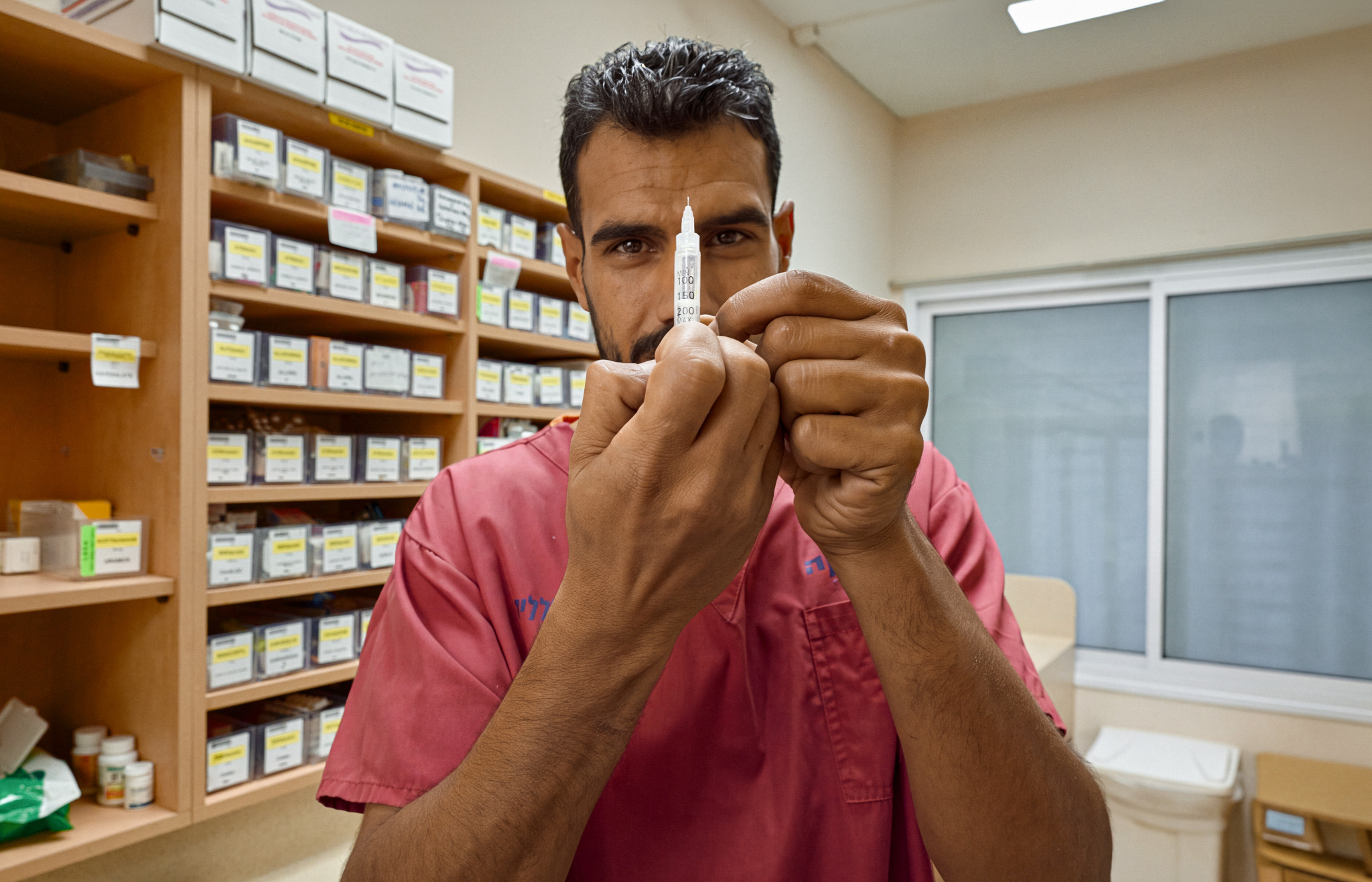
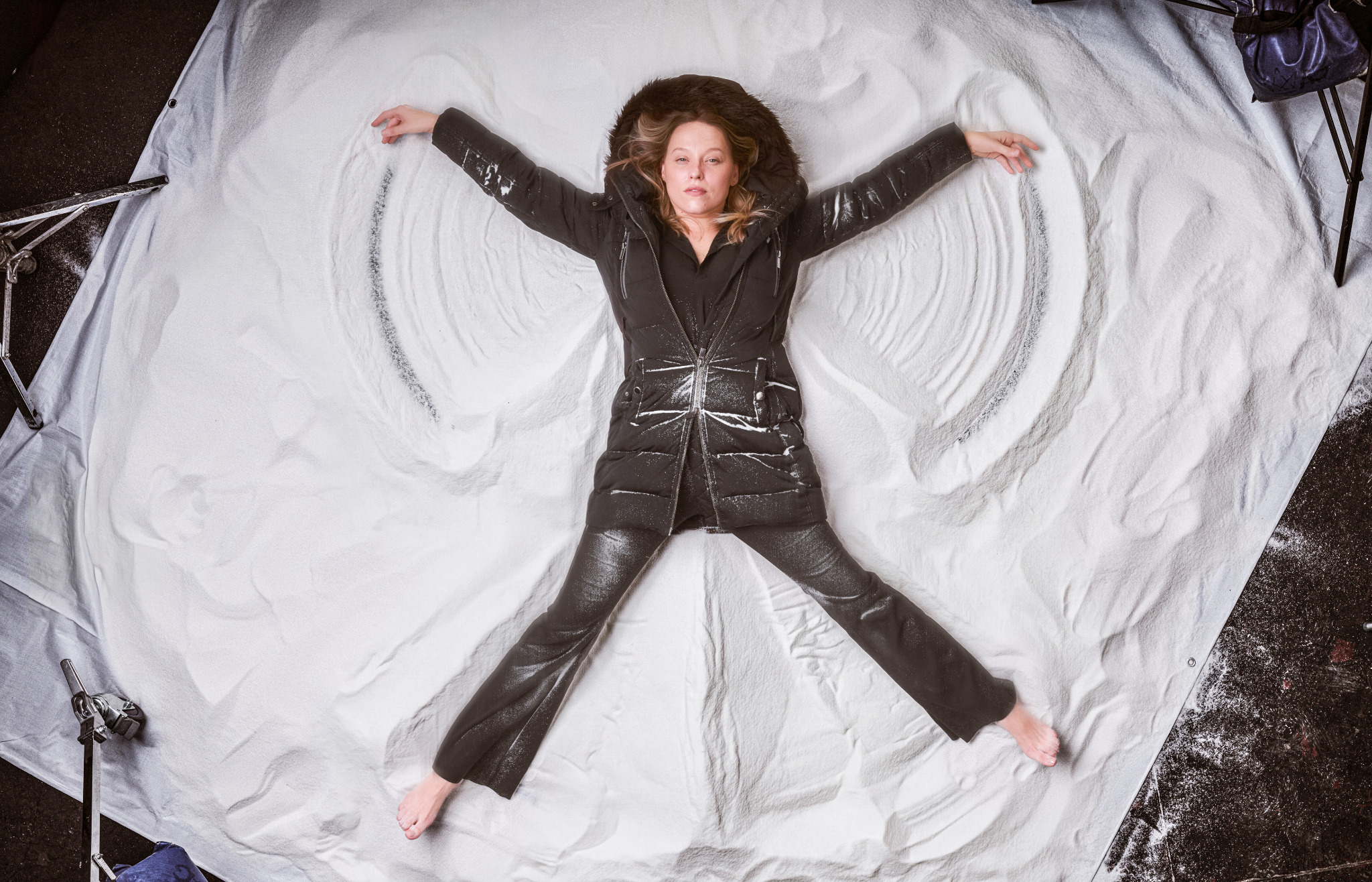
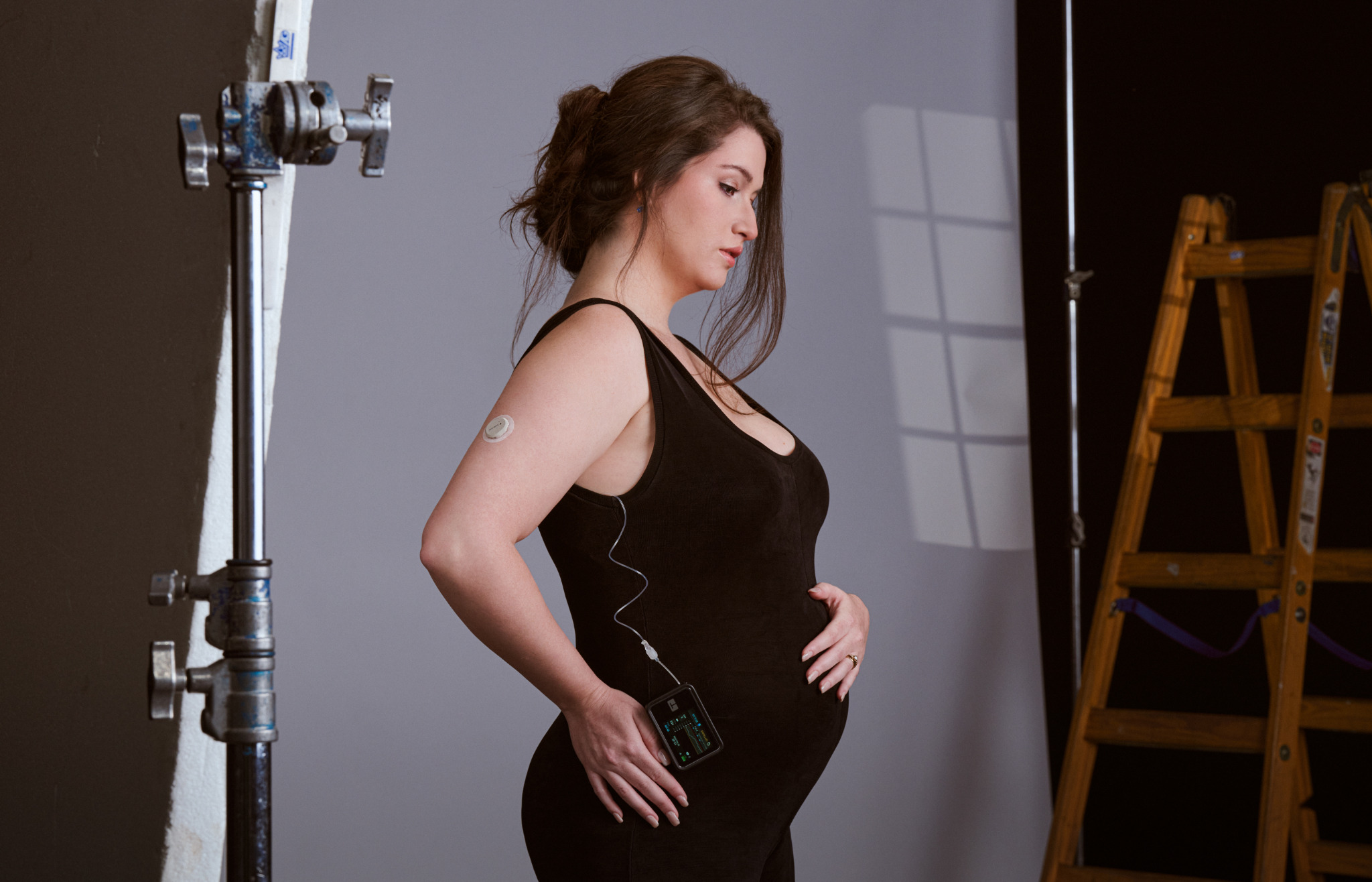
Type 1 diabetes was once commonly called juvenile diabetes, but it can also be diagnosed in adults. In POSITIVE, an exhibition created for the Institute of Endocrinology, Diabetes and Metabolism at Sheba Medical Center, Tel Hashomer, the diagnosis opens a conversation about the whole person. Meet the people behind these portraits and their stories of family, work, sport, fear, resilience and choice.
If you are looking up diabetes after a diagnosis, or trying to understand what someone close to you is going through, start with one story. I’m Pini Siluk, a photographer who has lived with type 1 diabetes since I was 11. Everywhere I went, I met a person first and a diagnosis second.
What these stories can help you talk about
Finding someone who understands
Anat and Smadar share more than a love of knitting. When Anat was diagnosed, her sister already knew what living with diabetes could feel like. If it is hard to explain what you’re going through, try telling one person what kind of support would help right now.
Read Anat and Smadar’s storyMaking room for what you love
Elisha’s portrait tells a story about surfing. If you want to get back to an activity you love, try asking your diabetes care team one concrete question: what should I plan for so I can do this with more confidence?
Read Elisha’s storyWhen a diagnosis interrupts your plans
Yoed got the call about his diagnosis on a train. If your head is full of questions too, write down the one that is weighing on you most. Bring it to your next appointment, or talk it over with someone you trust.
Read Yoed’s storyThese are personal experiences, not medical advice. Ask your diabetes care team about your own treatment and day-to-day care.